
A North Pole Christmas Eve Meal: What Mrs. Claus Serves Santa for Dinner and Snacks
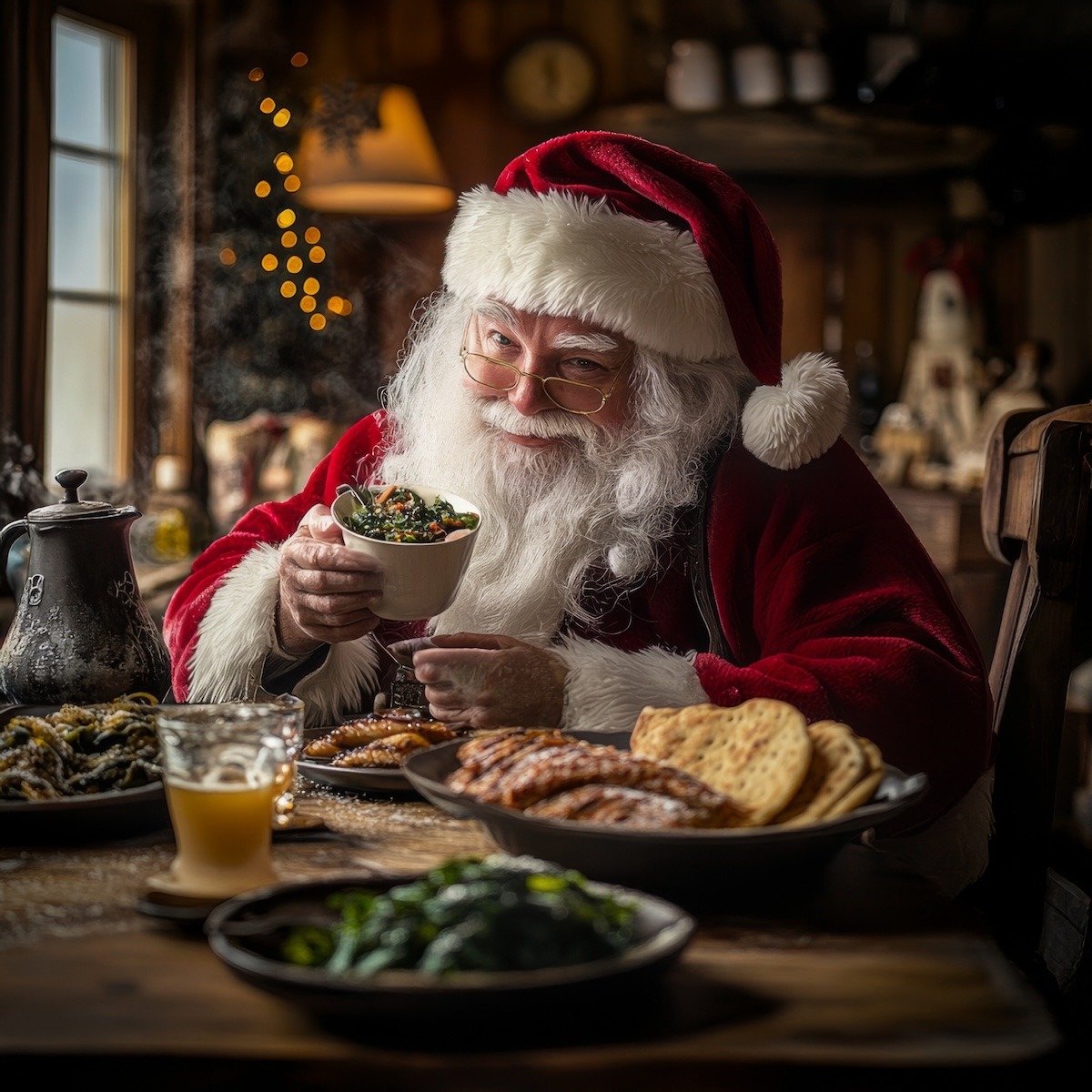
On Christmas Eve, Santa Claus prepares for his long night of gift-giving. But before he heads out on his sleigh, he enjoys a hearty, authentic meal with Mrs. Claus at their home in the North Pole.
The North Pole isn’t like the rest of the world. It’s cold, harsh, and barren. The ingredients here are simple yet nourishing. Mrs. Claus knows how to make the most of what they have. She prepares a traditional feast made with foods native to the Arctic.
Santa’s dinner begins with a warm bowl of caribou stew, rich with root vegetables like turnips and carrots. Mrs. Claus serves Arctic char for the main course, caught fresh from the frigid waters nearby. The meal is balanced with seaweed salad and a small dish of tart cloudberries. Afterward, Santa enjoys a bowl of hot Arctic tea from local herbs.
This meal is about more than sustenance. It’s about preparing for a long night. Santa needs all the energy he can get to travel the world and deliver gifts to children everywhere. Mrs. Claus ensures he is well-fed, warm, and ready to go. After dinner, it’s time to set off into the night sky.
What’s on Mrs Claus’s Menu
1. Caribou Stew
Caribou is a staple food in the Arctic region. Mrs. Claus could prepare a hearty stew, slow-cooked with root vegetables like turnips, carrots, and onions. Caribou meat is lean but flavorful, and the stew would be a rich, warming dish, perfect for energizing Santa.
2. Arctic Char or Salmon
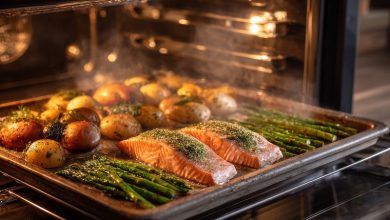
Fish would be an essential part of the diet in the North Pole. Arctic char or salmon, both found in Arctic waters, would be common choices. Mrs. Claus could prepare the fish by grilling or roasting it, perhaps seasoning it with herbs like dill, which can also be found in colder climates, or serving it with a simple butter sauce made from seal fat or another local fat source.
3. Root Vegetables and Berries
While fresh fruits like apples and citrus wouldn’t grow in the Arctic, hardy root vegetables like turnips, rutabagas, and potatoes (which can survive in colder climates) would be a perfect side dish. Additionally, lingonberries or cloudberries could be used to make a small side dish or sauce to complement the main meal. These berries grow in the wild in Arctic climates and add a tart, refreshing contrast to the richer meats.
4. Seaweed and Moss Salad
Mrs. Claus could prepare a seaweed salad using kelp or other edible seaweeds that grow in the cold waters near the North Pole for something more unique and authentic to Arctic life. She might also include reindeer moss (a type of lichen) in the dish. While not commonly eaten in large quantities, indigenous Arctic peoples have used mosses and seaweed for food and nutrition.
5. Northern Lights Soup
A warming soup made from a mix of meats and vegetables would be a comforting addition. This could be made with a seal fat or whale blubber base, with chunks of caribou meat, fish, and root vegetables like parsnips and onions. It would be a rich, high-energy dish, keeping Santa full and ready for his long night.
6. Arctic Bread or Flatbread
Bread made from barley (which grows in cold climates) or other hearty grains could be baked into a dense, filling flatbread or loaf. This would be served alongside the stew or soup. It might not be as light or fluffy as what we think of as bread, but it would be nourishing and practical for Arctic living.
7. Berries in Snow (Dessert)
Mrs. Claus could make a simple but delicious treat with cloudberries or lingonberries for dessert. These tart berries could be mixed with a bit of sugar and served over a bed of snow or ice, mimicking a cold, wintery dessert. Alternatively, a traditional berry compote could be prepared and served with a small dollop of cream (which might come from a reindeer or another local animal).
8. Hot Drink: Arctic Tea
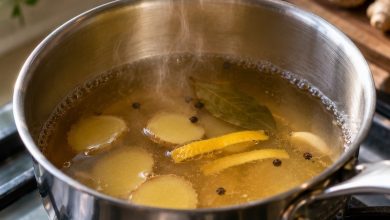
To warm Santa up before he heads out, Mrs. Claus could prepare a cup of hot Arctic tea made from local herbs like willow or labrador tea, traditionally used by indigenous peoples for their medicinal and comforting properties. The tea would be soothing and help keep Santa hydrated before his big journey.
This authentic meal would represent the types of food available in the harsh, cold environment of the North Pole, with a focus on sustainable, local ingredients like reindeer, Arctic fish, root vegetables, and hardy berries. It would be a nourishing, hearty meal reflecting life’s practicality in such a remote and frigid place.
Of Course, Mrs Claus Would Pack Some Snacks

Santa’s Snacks on Nuts on Christmas Eve
For a long night’s journey, Mrs. Claus would pack practical, energy-boosting snacks authentic to the North Pole and can withstand the freezing cold. These snacks would be nourishing, easy to eat, and provide Santa with the sustenance he needs to keep going throughout his global journey. Here are some authentic ideas:
1. Dried Fish or Jerky
Fish like Arctic char or salmon could be dried or smoked, creating a portable, protein-rich snack. Jerky made from reindeer meat or other Arctic animals would be a perfect choice—lightweight, packed with energy, and easy to store in Santa’s bag.
2. Hard Tack or Flatbread
Flatbreads made from hearty grains like barley or oats would be simple to pack and provide slow-burning energy. Arctic explorers historically used these dense, long-lasting breads that would be filling for Santa during his travels.
3. Berries and Dried Fruit
Dried cloudberries, lingonberries, or other native Arctic berries would be a sweet, compact snack. They’re high in vitamins and antioxidants, providing a burst of energy. Mrs. Claus could also pack dried apples or pears as a portable, nutritious option.
4. Nuts and Seeds
Nuts like walnuts, hazelnuts, and pine nuts would be available in the region, providing fats and proteins for sustained energy. A small mix of nuts and seeds would be an ideal snack for Santa to munch on while delivering gifts.
5. Caribou Moss or Seaweed
Although not typically consumed in large amounts, reindeer moss (a type of lichen) or edible seaweed could serve as an unusual yet authentic snack. Packed with nutrients, these could offer both energy and hydration, especially when reindeer moss is prepared as a dried snack.
6. Arctic Tea Bags
Mrs. Claus could pack a few tea bags made from labrador tea or willow leaves, along with solid snacks. This herbal tea, known for its calming and energizing properties, would help Santa stay alert and warm.
These snacks would be easy to carry, provide lasting energy, and are true to the ingredients that might be found in the North Pole’s remote and frigid environment. Mrs. Claus ensures that Santa is well-prepared for the long journey ahead!
Source link