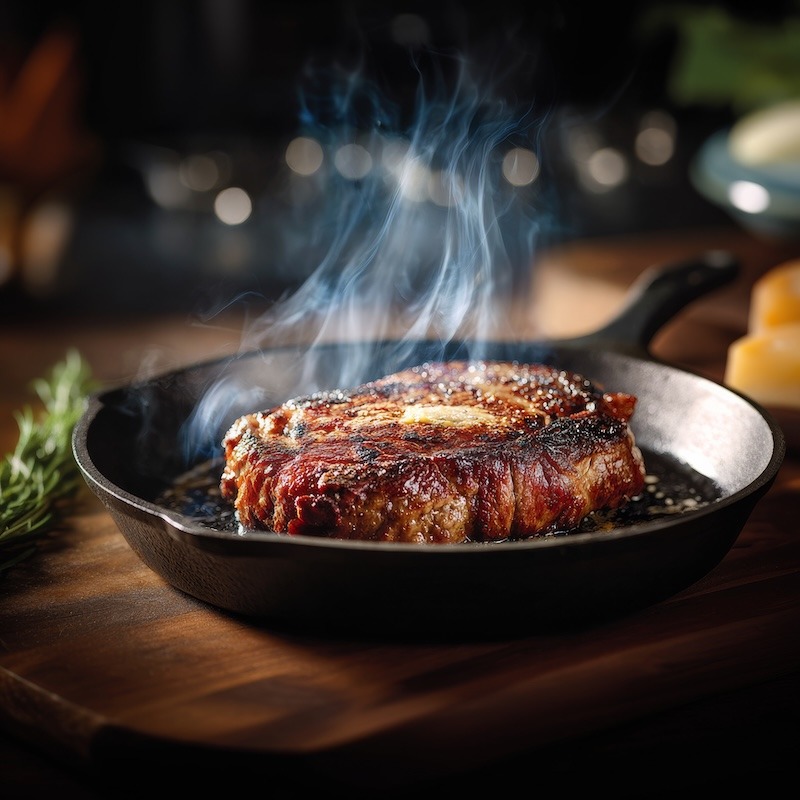
How a Kitchen Myth Survived 150 Years
Here’s what fascinates me about this whole thing: the theory started in 1847 and somehow survived longer than canned ham at the back of a fallout shelter.
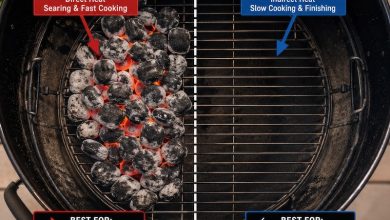
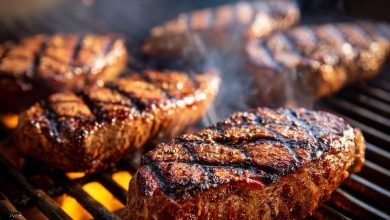
German chemist Justus von Liebig proposed that searing meat created a barrier that locked juices inside. The idea sounded logical, so chefs repeated it. Culinary schools taught it. Cookbooks printed it. Eventually, nobody questioned it anymore.
I even found it in my copy of The Food Lover’s Companion by Sharon Tyler Herbst, one of the most respected culinary references on my shelf. Right there under “sear,” it says the purpose is to seal in juices.
That’s how cooking myths survive. One trusted cook tells another. Then another. Then eventually the idea becomes kitchen scripture.
The problem? Science never supported it.
In 2004, food scientist Harold McGee addressed the myth directly. Later, Kenji López-Alt tested it extensively at Serious Eats. The results were crystal clear: seared meat loses just as much moisture as unseared meat.
The crust isn’t a waterproof jacket. It’s flavor. Delicious flavor, but flavor nonetheless.
And honestly, I have to include myself in this story too. Back in 2015, readers started pointing this out in my comments section. My response at the time was careful and diplomatic:
“I agree that searing meats to ‘seal in juices’ is no longer acknowledged by chefs today.”
Which is a pretty elegant way of saying, “I may have been driving the wrong bus.”
So this post is my official correction. Better late than never.
Source link