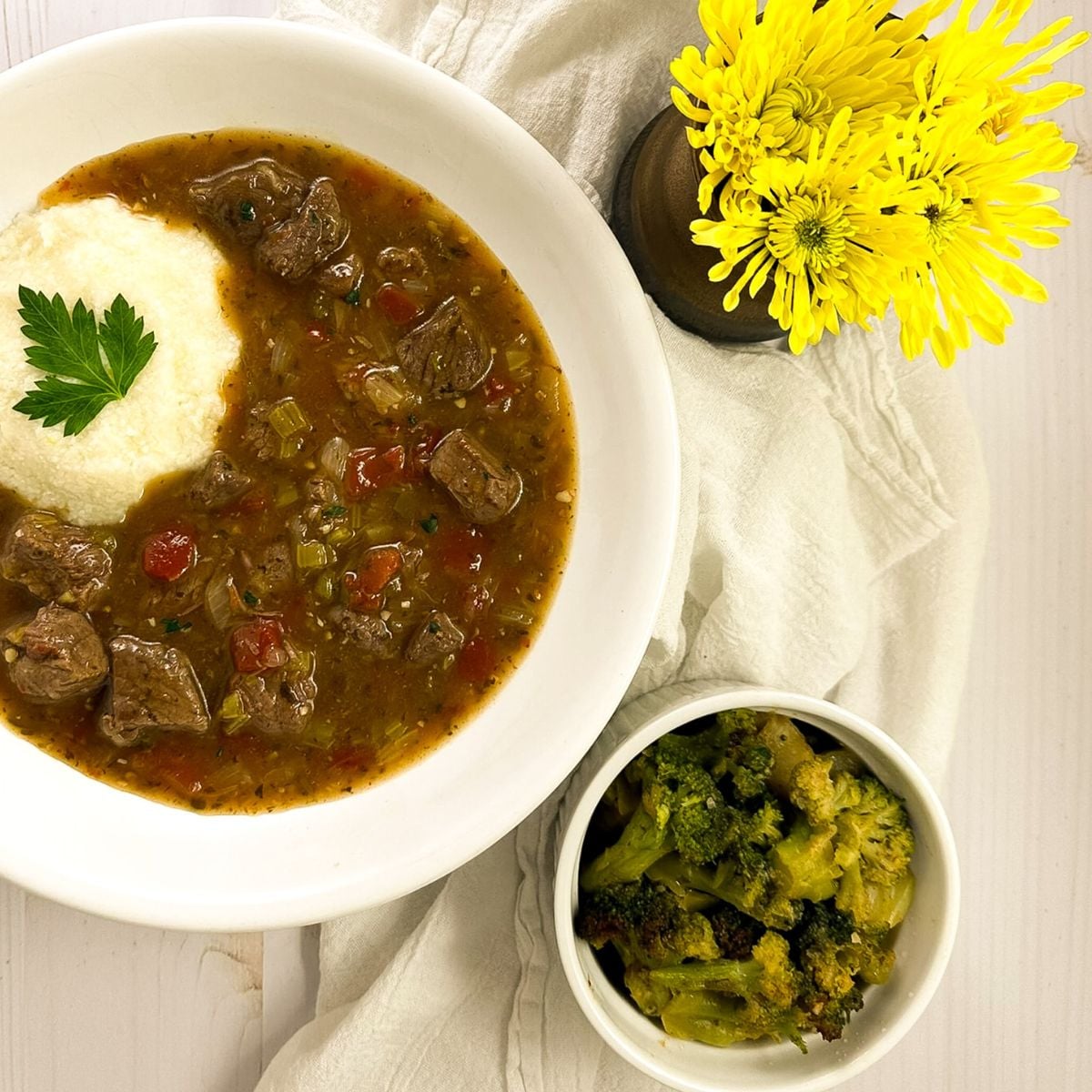
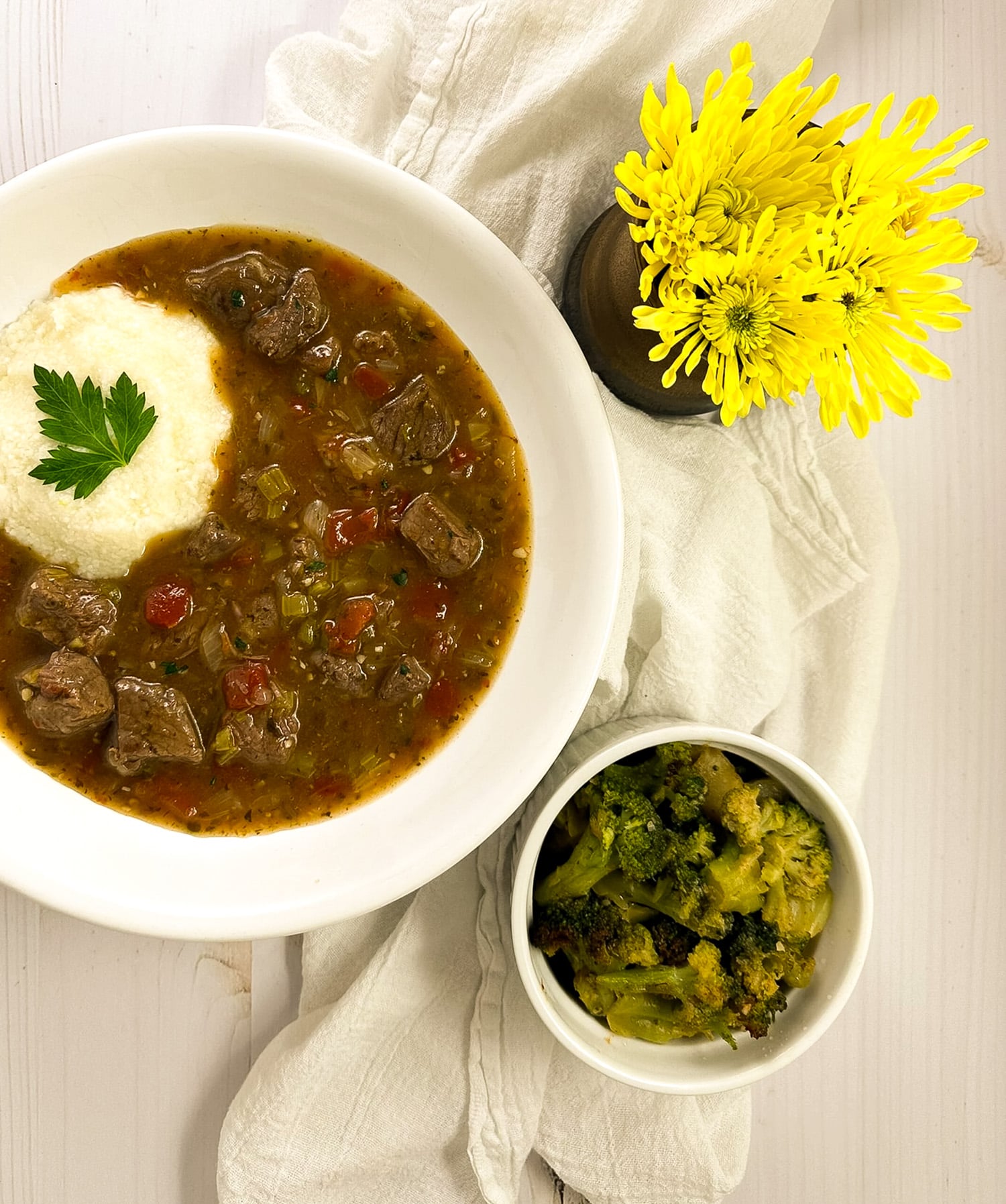
My grillades and grits feature super tender chunks of beef in an immensely flavorful, melt-in-your-mouth Creole gravy, y’all!! A time-honored, cherished culinary tradition in countless South Louisiana households, this delectable slow-cooked dish is always a hit. Yep and yay…
Jump to:
Grillades and Grits Are Another Beloved New Orleans Creole Cuisine Tradition, Y’all…
Grillades and grits are a classic Creole dish served year-round in South Louisiana, but they’re especially popular during the regional Mardi Gras season. During this time, people enjoy them at late-night Carnival balls and post-parade family gatherings as the celebrated entree known for its perfectly seasoned, fall-apart tender meat and rich, luxurious gravy.
Grillades and grits meals are so prevalent during Mardi Gras because the recipe easily quadruples for large events. They also keep well in the fridge overnight and retain their flavor all day when set out over low-heat chafing dishes. And since parade reveling can last for hours on end, grits and grillades deliver the kind of stick-to-your-ribs sustenance that makes them one of the season’s most sought-after meal pairings.
But This Dish Isn’t Just for Mardi Gras, Y’all…
Many notable New Orleans restaurants also serve grillades year-round, with signature touches like cheese-infused grits and luxury-grade cuts of beef. Usually served for breakfast and brunch, this iconic dish is also a Sunday dinnertime staple and a holiday main-dish tradition for many Louisiana families.
For breakfast, eggs and fruit often accompany plates of piping-hot grits and grillades. For dinner, sides such as steamed broccoli or seasoned cauliflower florets round out the meal with extra nutrition and a pop of captivating, complementary color.
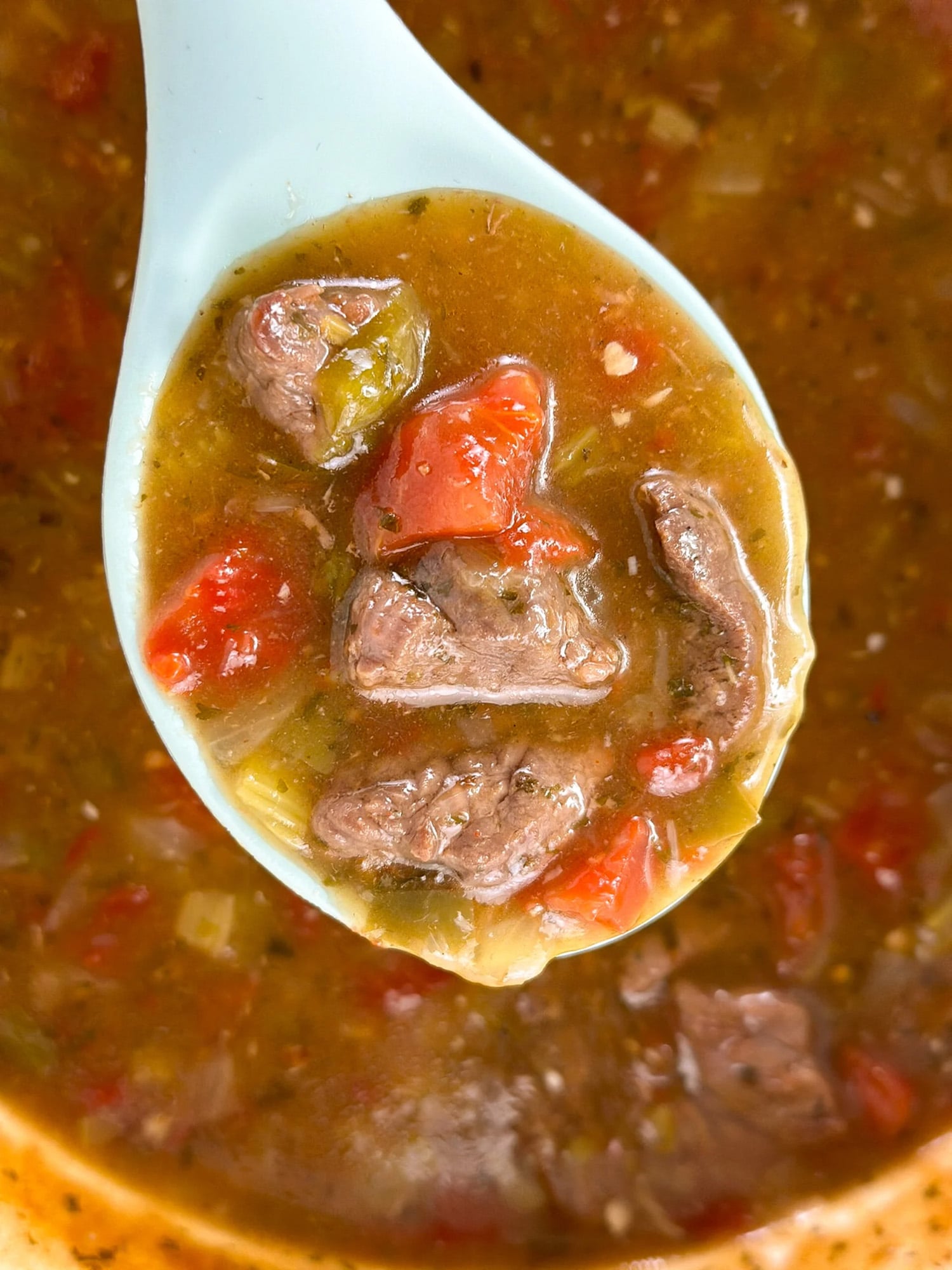
What Grillades Are and How They Are Prepared
Although the name suggests otherwise, grillades are not grilled; they are chunks of meat slow-simmered in a rich, tomato-based gravy. The earliest recorded preparations used veal and were served alongside rice. Over time, Creole cooks in the New Orleans area began making the dish with beef, while their Cajun counterparts in outlying communities more commonly used pork. Instead of rice, a tradition of serving grillades with grits slowly arose, a now-famous pairing just as comforting as it is captivating, just as distinctive as it is delicious.
My original take on beef grillades and grits starts with my Trinity Roux™, which creates the perfect, fail-proof gravy consistency without lumps or excessive thickness. This unique alternative to the traditional flour-based roux is the base profile that creates the authentic taste and texture of the grillades. It’s naturally grain-free. So it’s lighter and free of the heavy flour taste that sometimes turns people off a traditional oil-and-flour roux. Best of all, you can easily make it dairy-free by using olive, avocado, or vegetable oil.
Incredibly delicious with a mesmerizing, melt-in-your-mouth texture, this authentic grillades and grits recipe is surprisingly easy to make. The steps are straightforward, each building on a culinary foundation that yields super-tender meat in a luscious, well-developed sauce over comforting, creamy grits.
Types of Grits to Serve with Grillades
You can serve any kind of grits that you desire alongside grillades. Keep these facts in mind when choosing a type:
- Quick grits are finely milled and cook to a smooth texture in just 5 minutes. These are probably the most common type of grits served with grillades, as they are still ‘real’ grits that come together quickly.
- Stone-ground grits have a richer corn flavor and speckled appearance. As a result, they are often served with grillades at more upscale events because of their enhanced presentation.
- Regular or old-fashioned grits also work well alongside grillades. This type of grits takes 10 minutes to cook and produces a more traditional taste and texture.
- Instant grits are fine in a pinch. I recommend them more for leftovers than for the meal, though, since they are thinner and generally don’t hold up to the grillades sauce as well as the other options.
Storage
Store the leftover grillades and grits separately in airtight containers in the refrigerator. Ideally, eat the leftovers within 48 hours to enjoy the dish’s original taste and texture.
Freezing
Freeze the leftover grits and grillades in airtight containers, freezer bags, or vacuum-sealed bags for up to three months.
Thawing
For best results, thaw them overnight in the refrigerator in the containers you froze them in. You can also quick-thaw them by placing the container or bags in warm water for about 30 minutes.
Reheating
I prefer to reheat grits and grillades in a preheated 350-degree F oven for about 15 to 20 minutes. You can also microwave them in 45-second intervals, stirring between each one, to ensure they reheat evenly and don’t overcook.
Variations
I use top round steak in this grillades and grits recipe for a few reasons. It’s easy to find, easy to chop, and it falls apart deliciously in the sauce. That said, you can substitute other cuts of beef, too.
- Chopped chuck roast also works well in this recipe because it’s similar to the top round and needs no other recipe substitutions.
- Sirloin steak also cooks similarly to top round, but may need to cook a bit longer to become as tender in the grillades gravy.
- Flank steak must be cut against the grain to become tender in the gravy. While it will work, you will likely need to cook it up to twice as long as the top round steak to achieve the desired consistency. Therefore, add about ¼ cup more broth and keep a close eye on it to make sure it doesn’t need more during cooking.
- Ribeye steak is another good option that will become fall-apart tender when cooked in the gravy. You may need to cook less-marbled ribeye steak chunks a bit longer, though. So, check on them more often, and add more beef broth, if needed, throughout the cooking process.
- Bottom round steak is similar to top round, but it will likely need to cook longer to reach the intended fall-apart consistency. You may need more broth, so keep some close at hand while cooking.
You can also substitute veal or pork chops or shoulder steaks in this beef grillades and grits recipe with great success. Just chop the pieces uniformly and continue with the recipe as written.
Faqs
No, you don’t have to serve grillades with grits. You can serve grillades with rice or mashed potatoes, if desired. You can also try cauliflower rice for a lower-carb option.
Yes, as long as what you marinated it in or seasoned the steak with will complement the rest of the ingredients in the dish. If so, cut the pieces into small 1- or 2-inch cubes, season them with the dried spices, then add them to the pot along with the broth and diced tomatoes with green chilies. Cook until they are fall-apart tender.
Absolutely! Smoked gouda cheese is a popular option, but you can also use sharp cheddar, cream cheese, pepper Jack, or Gruyère.
What to Serve With Grillades and Grits
Grillades and grits are a filling meal on their own. However, certain sides enhance the dish’s taste and texture beautifully.
- Freshly baked butter swim biscuits are the perfect choice for breakfast and brunch.
- Skillet cornbread rounds out the meal any time of day, and is super yummy with honey and butter.
- Cajun smothered green beans pair perfectly with grillades and grits for dinner. Kids love this super hearty pairing just as much as adults.
- Corn maque choux is another enticing side dish that adds a delectable crunch and delightful color contrast to the meal.
Ingredients & Substitutions
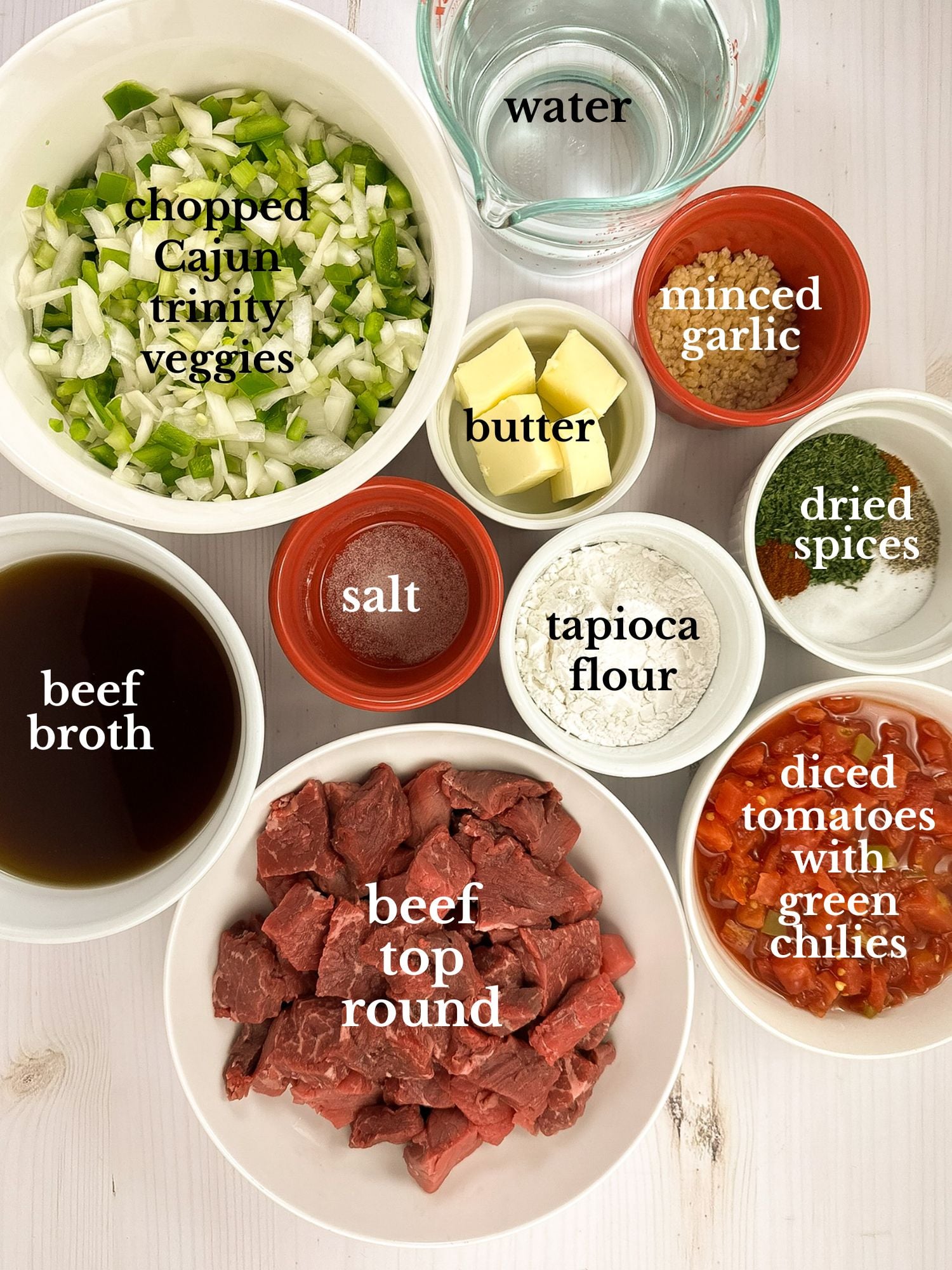
- Chunks of top round steak absorb the seasonings and cook down to tender bliss in this grillades and grits recipe. I definitely recommend using this cut if at all possible.
- The Cajun trinity veggies of chopped onion, green bell pepper, and celery are essential ingredients for making my Trinity Roux™. This base infuses each spoonful with authentic South Louisiana flavor and texture. So, you’ll need at least two onions, one large bell pepper, and three medium-sized celery stalks. You’ll also need tapioca starch, arrowroot starch, or cornstarch.
- A good-quality beef broth yields the best gravy for the grillades. I use this one.
- Other common Louisiana culinary staples, including garlic, paprika, dried parsley flakes, and cayenne, are also essential for making this recipe as intended. However, don’t stress if you don’t have all of them on hand the first time that you make the recipe. Just use what you have, and pick up the rest to keep on hand next time.
- Diced tomatoes and green chilies are ingredients that I use to add a signature spin to the traditional grillades and grits recipe. I think that they deepen the overall flavor profile with just the right amount of tomatoey goodness and heat. That said, you can use whichever tomato product you have on hand. Stewed tomatoes, diced tomatoes, and even fire-roasted tomatoes are all good substitutes that will produce a tasty pot of grillades.
How to Make Grillades and Grits
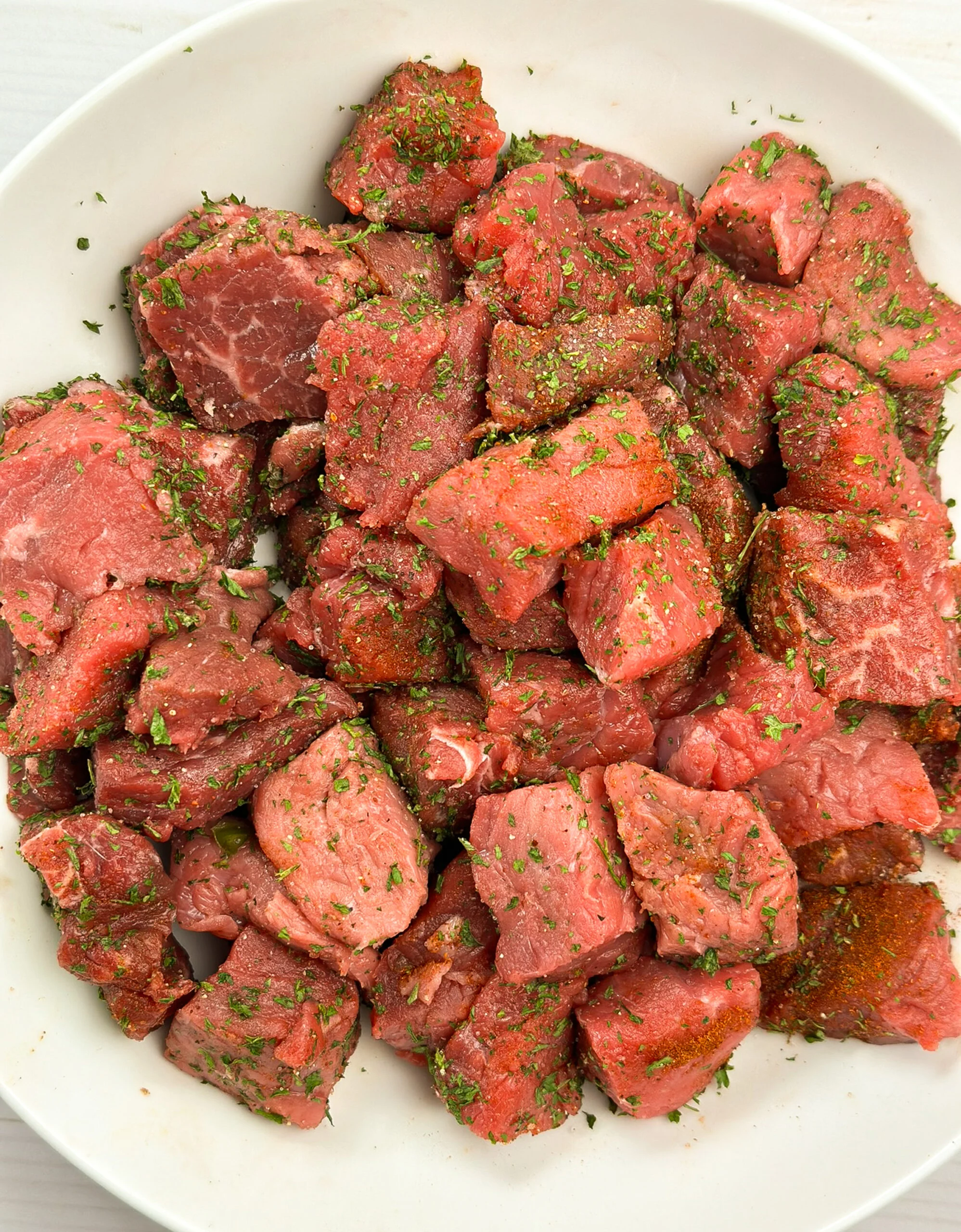
To begin, season the top round steak pieces with the dried spices.
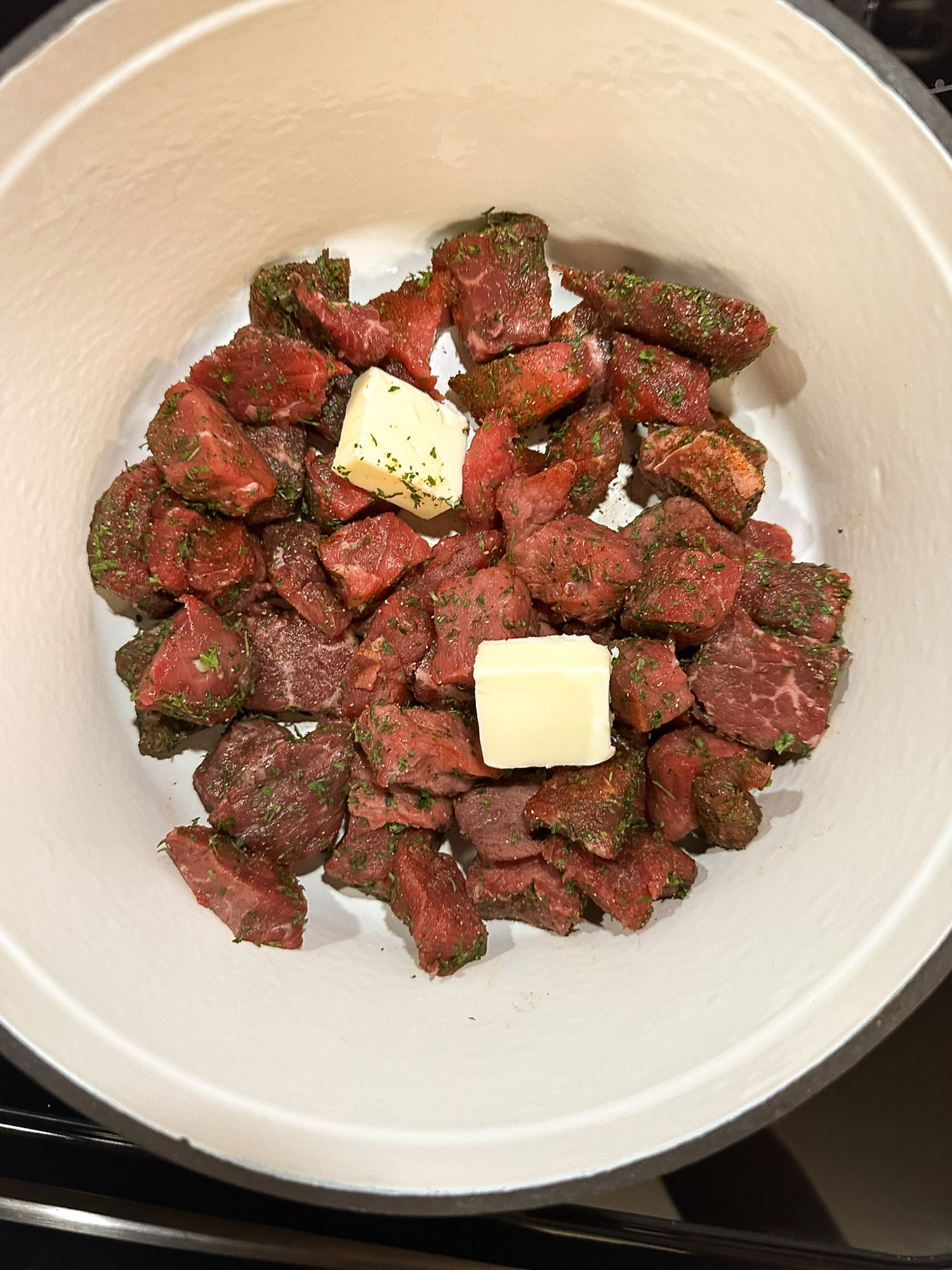
Now, add them to the pot along with 2 tablespoons butter or oil.
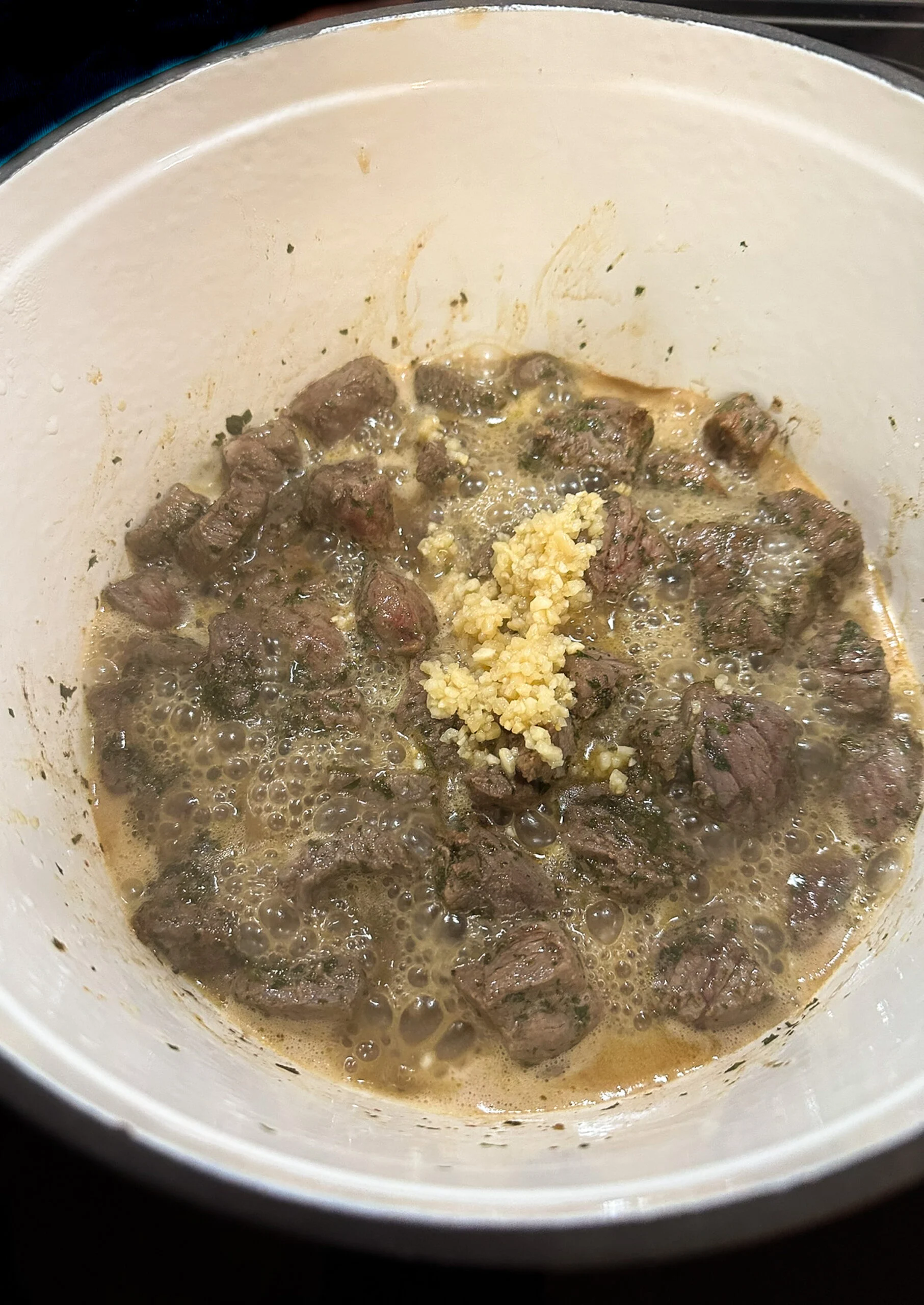
Brown the meat, then add the minced garlic to the pot. Cook for one additional minute.
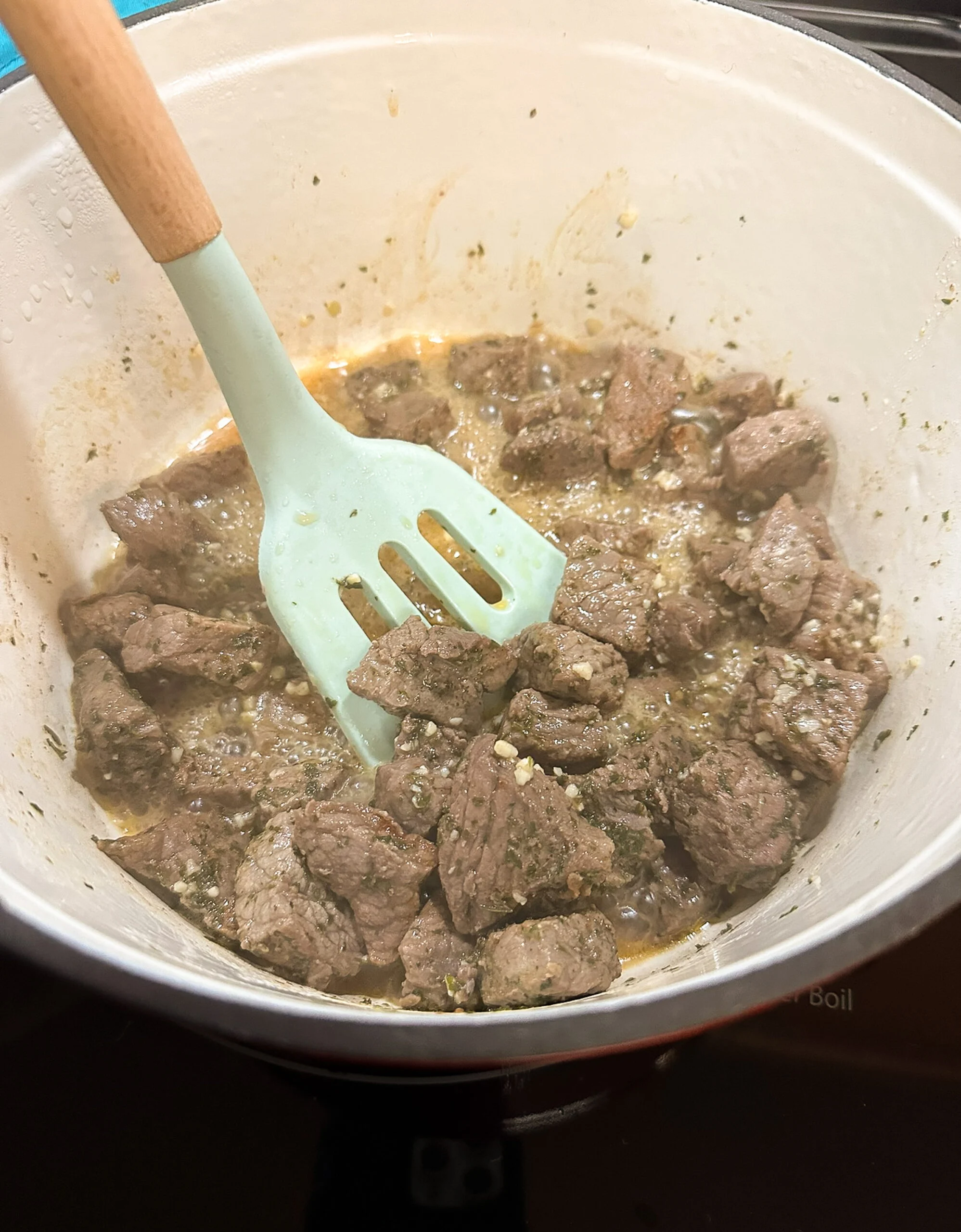
Now, use a slotted spoon or spatula to transfer the garlicky meat to a paper towel-lined plate.
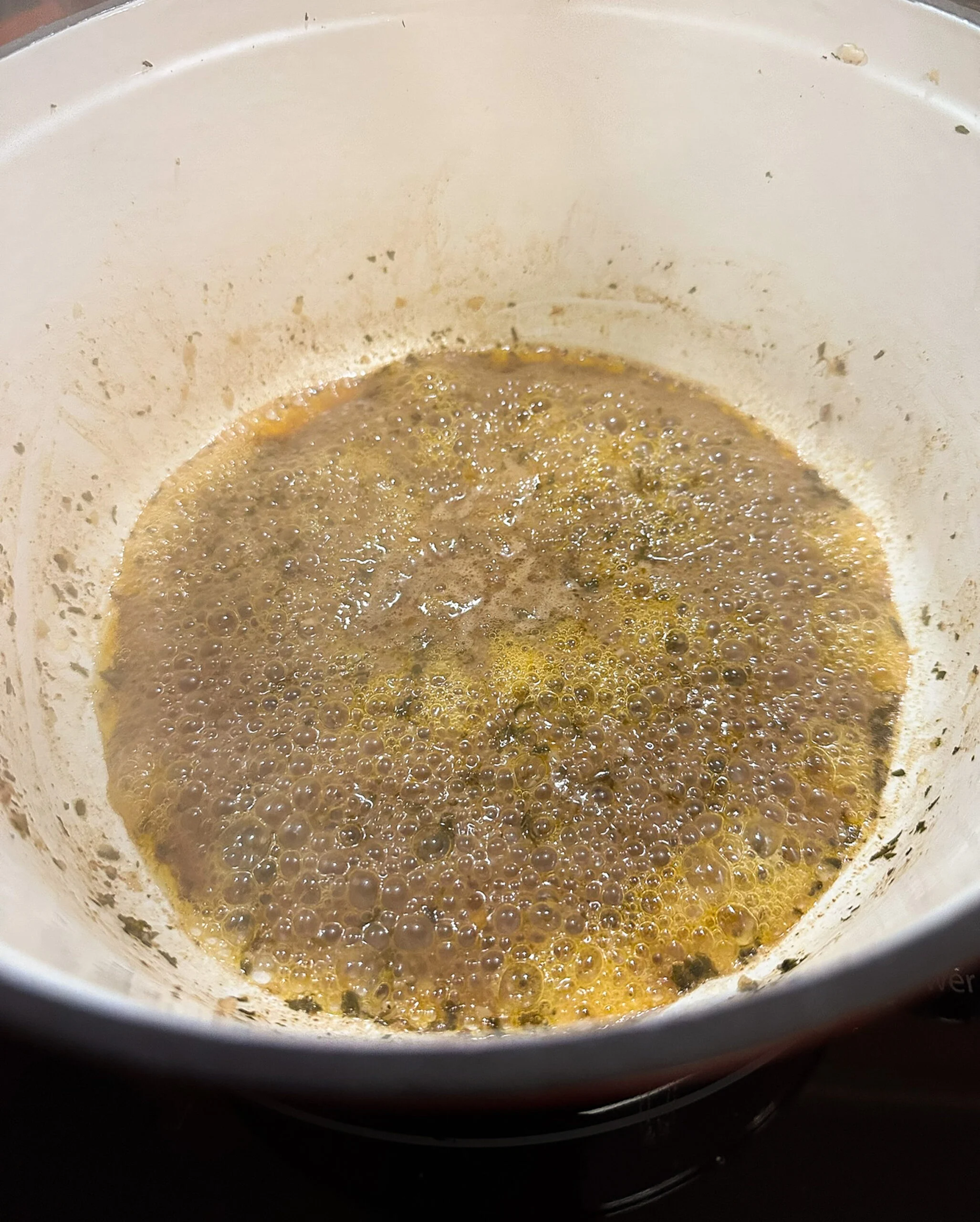
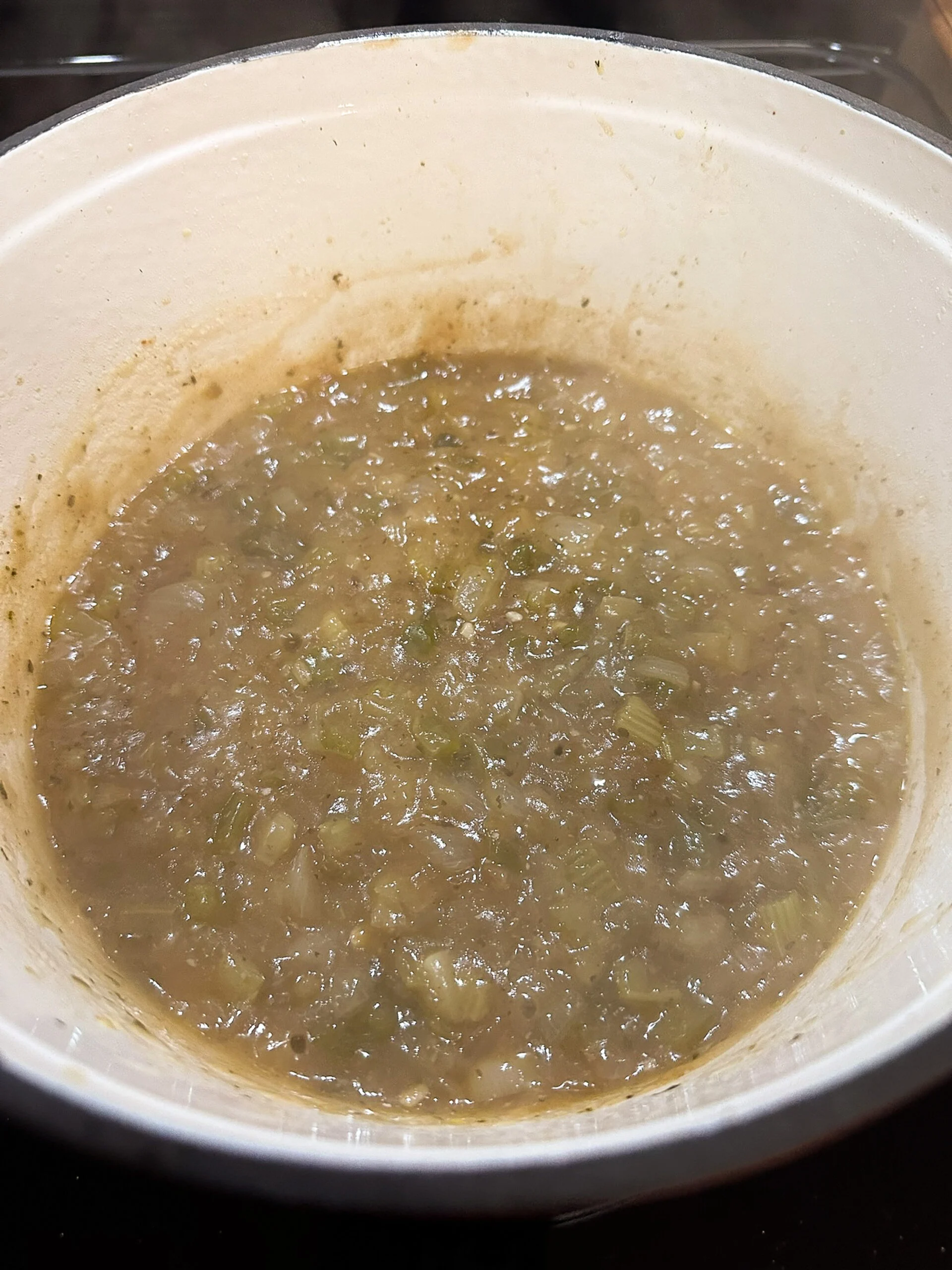
You should have about ¼ cup of pan juices left at the bottom of the pot. Leave them right where they are; they will help to naturally flavor the Trinity Roux™.
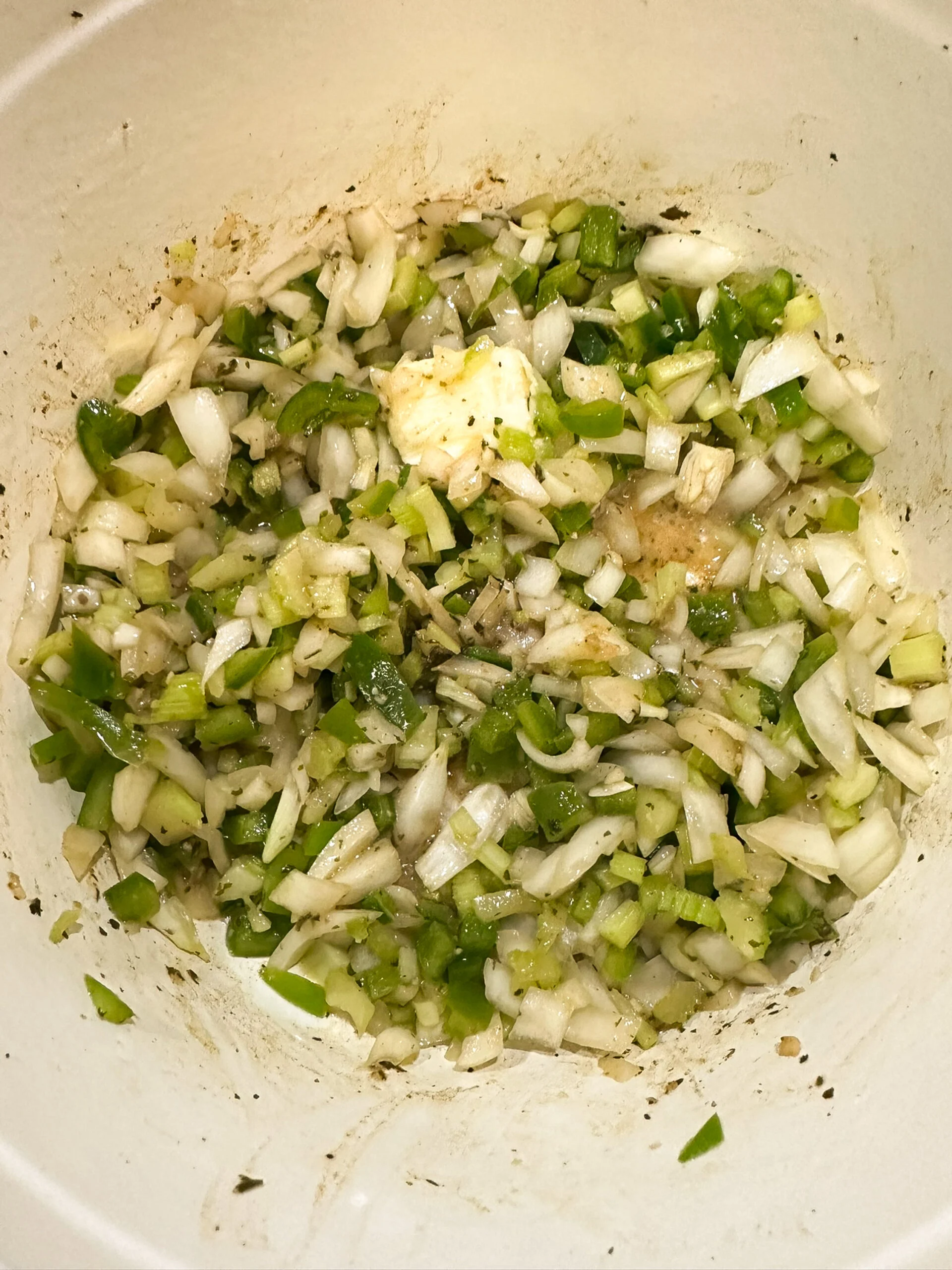
Now, pour the veggies and the remaining butter into the pot. Continue cooking the roux, adding water, salt, and tapioca starch as needed.
When the roux is ready, turn down the heat to medium-low.
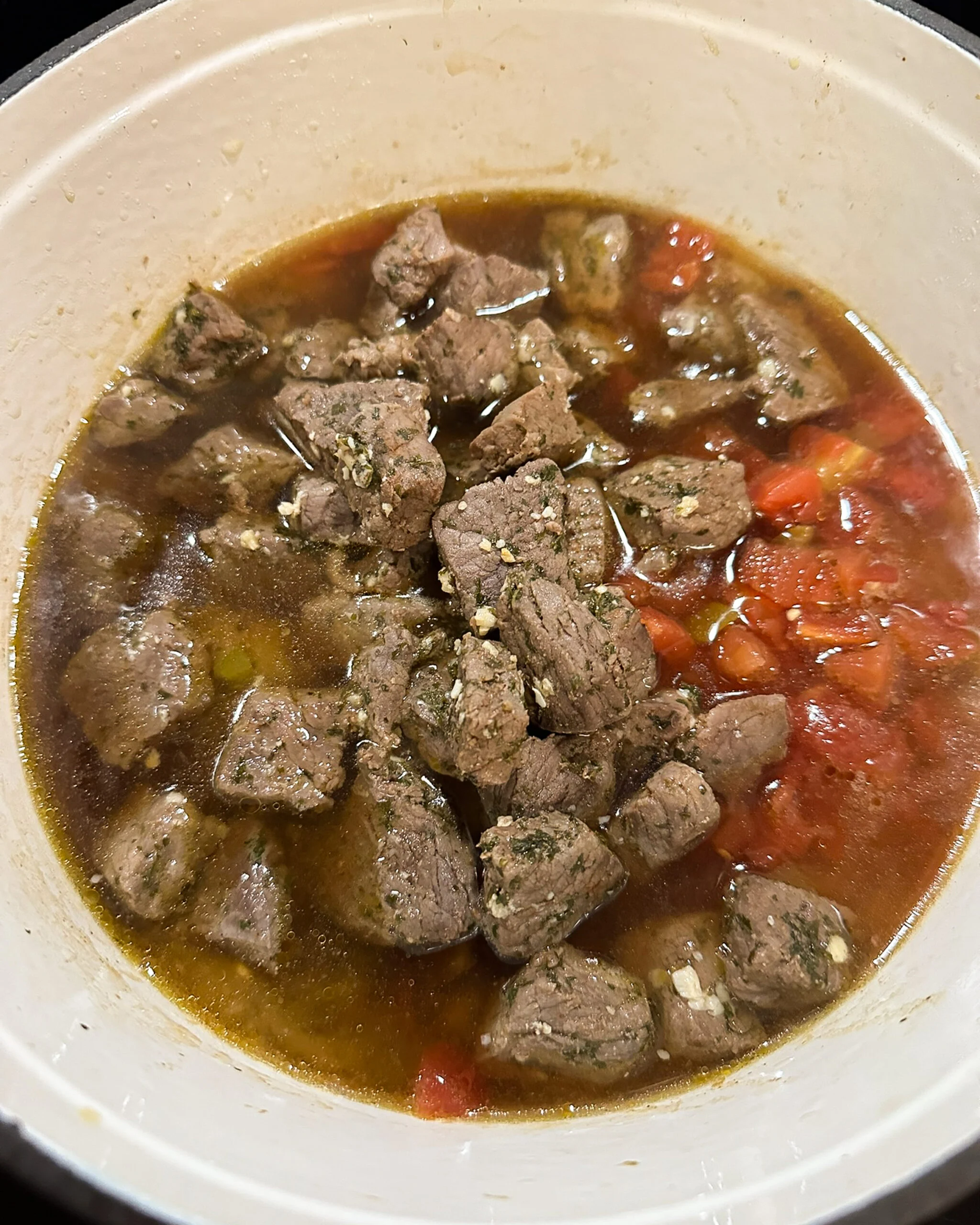
Then, add the browned meat mixture back to the pot with the broth and diced tomatoes and green chilies.
Finally, simmer until done.
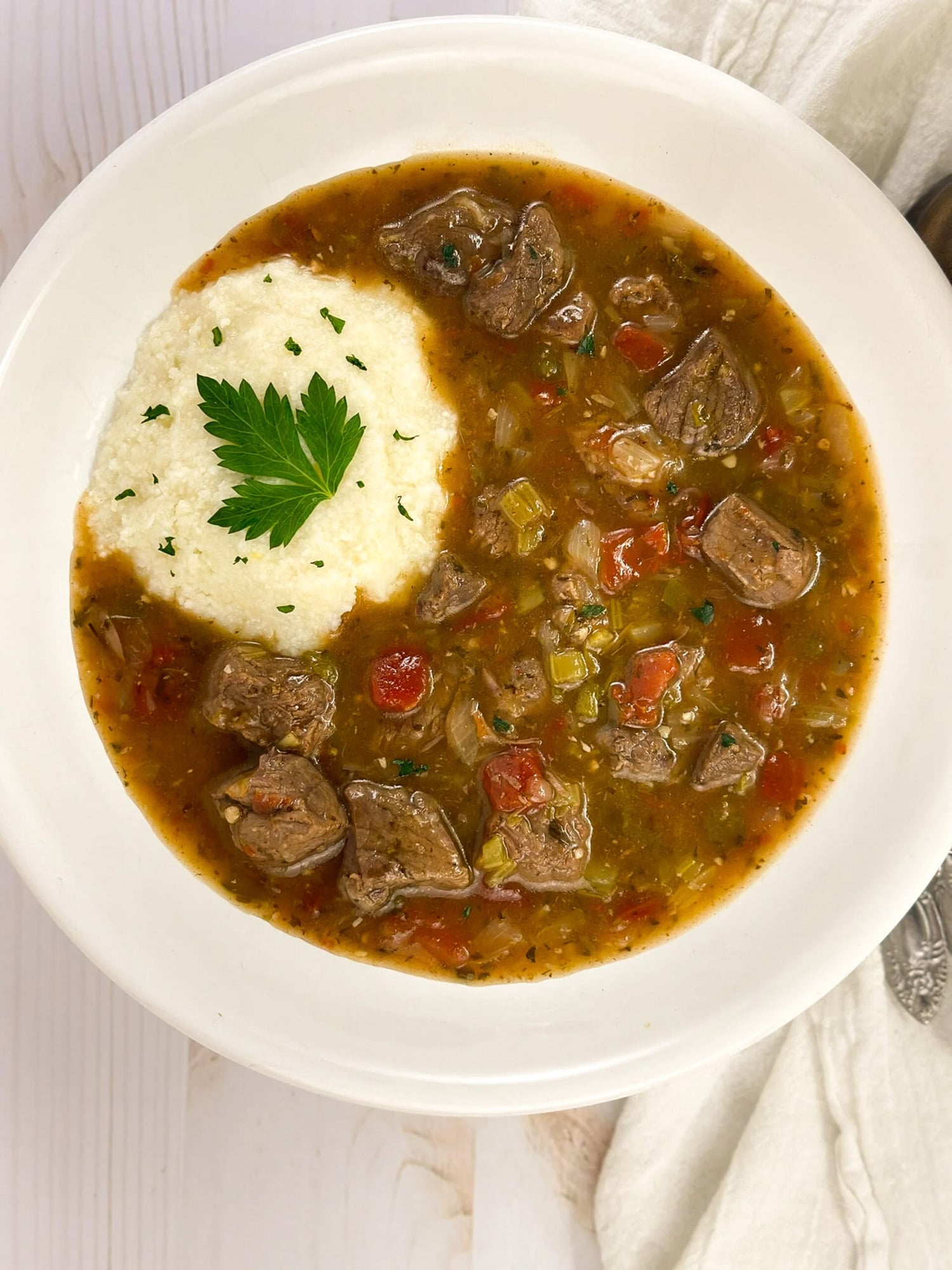
And that’s it, y’all!!
The first thing that you notice about these grillades and grits is the almost divine pairing of richness and creaminess. Then, you revel in the incredible tenderness of the beef as the immensely flavorful sauce coats your tongue.
Finally, at the finish, you take it all in, experiencing a one-of-a-kind dining event that comforts your soul while simultaneously satisfying your stomach. For sure!!
Share with those whose repeat appearances in every season of your life testify to their time-tested loyalty, integrity, and devotion. Much food love, and see y’all on the yum side…
For the Seasoned Top Round Steak
- 1 ½ pounds top round steak, chopped into bite-sized pieces
- 1 tablespoon dried parsley flakes
- 1 teaspoon paprika
- salt, black pepper, and cayenne pepper to taste I used about ½ teaspoon salt, ¼ teaspoon ground black pepper, and ⅛ teaspoon cayenne
- 1 tablespoon minced garlic about 4 medium-sized cloves
For the Trinity Roux™
- 1 ½ cups chopped yellow onion
- ¾ cup chopped green bell pepper
- ¾ cup trimmed and chopped celery ribs
- 4 tablespoons butter or oil, divided
- ½ teaspoon salt
- ⅓ cup tapioca flour, arrowroot starch, or cornstarch
- 2 cups plus ⅔ cup cup water
For the Grillades
- 1 10-ounce can diced tomatoes & green chilies
- 1 cup beef broth
- additional salt, black pepper, and cayenne pepper to taste, optional
For the Grits
- 1 ½ cups half-and-half
- 1 ½ cups water
- 3 tablespoons salted butter
- ¾ cup quick cooking grits
Prevent your screen from going dark
-
Season the steak cubes with the parsley flakes, paprika, and salt, black pepper, and cayenne pepper to taste.
-
Place 2 tablespoons of the butter or oil in a 5-quart enameled cast iron Dutch oven or other type of large pot set over medium-high heat.
-
Add the seasoned steak to the pot, and cook until browed, stirring often.
-
When browned, stir the garlic into the mixture, and cook for 1 additional minute, stirring constantly.
-
Use a slotted spoon or spatula to transfer the browned beef and garlic to a paper towel lined plate. (There should be about ¼ cup of pan juices in the pot. Leave them there to flavor the roux, do NOT throw them out).
-
Pour the chopped onion, bell pepper, and celery into the pot with the pan juices.
-
Add the other 2 tablespoons of butter to the pot.
-
Continue cooking the Trinity Roux™, using the salt, tapioca, arrowroot, or cornstarch and water, when directed to during the final steps of the process.
-
When the roux is ready, reduce the heat to medium-low.
-
Stir the browned beef and garlic, diced tomatoes and green chilies, and beef broth into the pot.
-
Cover partially and cook for 1 ½ to 2 hours, or until the beef is very tender, stirring often.
-
Make the grits by bringing the half-and-half, water, and salted butter to a slow boil in a medium saucepan. Whisk in the grits slowly, then reduce the heat. Cover the pan partially, and simmer for 5 minutes. Remove from the heat and let sit for a few minutes before serving.
Store the leftovers covered in the fridge for up to three days.
This recipe usually freezes well in airtight containers, vacuum-sealed bags, and zippered freezer bags.
If you don’t have top round steak on hand, you can substitute chuck roast, flank steak, ribeye steak, bottom round steak, or sirloin steak cubes. Depending on which cut you use, you may need to cook the grillades gravy longer. If so, add more broth as needed during cooking.
You can also make this recipe with veal or pork chops/shoulder steaks.
The prepared dish does really well when left on low heat in a chafing dish or slow cooker. However, stir it from time to time and add a bit more broth if needed to keep it from drying out.
You can use leftover steak, as long as it was marinated or seasoned with spices that complement the other ingredients in the dish. If you do, season them with the dried spices, then add them to the pot with the beef broth and diced tomatoes with green chilies.
Sides such as biscuits, cornbread, smothered green beans, and corn maque choux pair well with the grillades and grits.
For best results, use at least a 5-quart Dutch oven or pot to give the ingredients room to slow-cook to the desired consistency. (It’s ok to transfer the contents to a larger pot if you need to, I’ve done it and the dish still turned out very well!!)
The information shown is an estimate provided by a third-party, online computer-generated nutrition calculator, not a registered dietitian or certified nutritionist. Actual nutritional content will vary based upon brands used, measuring methods and individual portion sizes, along with other factors.
See our full nutrition disclaimer here.
Calories: 628kcal | Carbohydrates: 46g | Protein: 47g | Fat: 29g | Saturated Fat: 16g | Polyunsaturated Fat: 1g | Monounsaturated Fat: 9g | Trans Fat: 0.5g | Cholesterol: 167mg | Sodium: 807mg | Potassium: 1051mg | Fiber: 4g | Sugar: 8g | Vitamin A: 1136IU | Vitamin C: 30mg | Calcium: 188mg | Iron: 5mg
Source link